Difference Between Inconel and Stainless Steel Springs
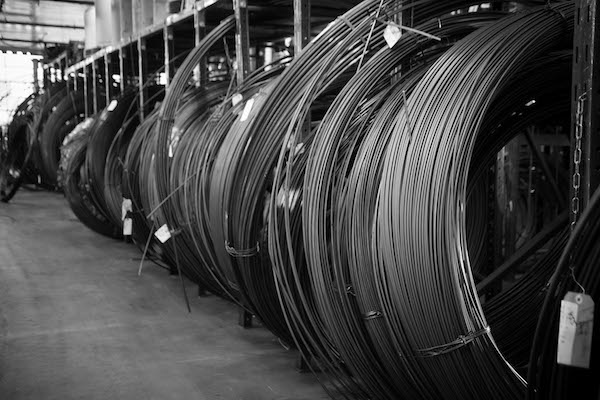
The material you choose is important when it comes to designing precision springs. Depending on the particular goods you manufacture, the environment in which they operate and any other variables that factor into your application, the material you need for a custom spring may vary greatly.
At The Yost Superior Co., we work with a wide range of materials that are geared towards different industries, products and environments. Whether you are looking for a spring that can withstand high temperatures, corrosive chemicals or a heavy amount of stress, we can help you design a spring that will fulfil your needs with precision.
Different Materials, Same Level of Precision
No matter which material you choose, or what product you will be using our springs for, we guarantee that our springs will not only stand up to any conditions you place them in, but they will also perform precisely as you need them to, as well.
Some of the large range of raw materials we work with include chrome-silicon wire, brass wire, music wire, oil tempered wire and so many more.
When it comes to our materials, stainless steel and inconel are two of our most popular, and despite their different features, they both make for a high-quality precision spring.
The Main Differences Between Stainless Steel and Inconel
Stainless steel and inconel springs differ in a few key areas: temperature performance, corrosion resistance, durability and price. Both are reliable, but they perform very differently depending on the circumstances. It is up to the manufacturer to know what their springs will be used for so that we can help determine the best spring for the job.
- Temperature Performance: When it comes to withstanding high temperatures, inconel springs have the advantage. Stainless steel springs can withstand up to 250 degrees fahrenheit and still remain reliable (some types of steel can even resist up to 500), but inconel springs are far more resilient and can withstand temperatures up to 1600 degrees fahrenheit.
- Corrosion Resistance: both inconel and stainless steel springs have a remarkable resistance to corrosive substances, rusting and other types of stains.
- Durability: although completely reliable in most situations, stainless steel springs are not as durable as inconel springs. When extraordinarily heavy loads and stress will be placed on a spring, it’s always better to go with inconel.
- Price: this is where stainless steel has the advantage. There is a price increase when going from stainless steel springs to inconel springs. Sometimes a stainless steel spring is all that is needed, but when heavy load or high temperature conditions are factor, nothing beats the resistance and durability of an inconel spring.
Get a Quote Today
Whether you are looking for inconel or stainless steel springs, The Yost Superior Co., can create what you need. We have been forming precision springs for our customers for over 100 years. Contact us today to get a quote.